Menyoroti:
Selang Karet Berlapis Keramik untuk Pelabuhan
, Selang Karet Berlapis Keramik 85 HRA
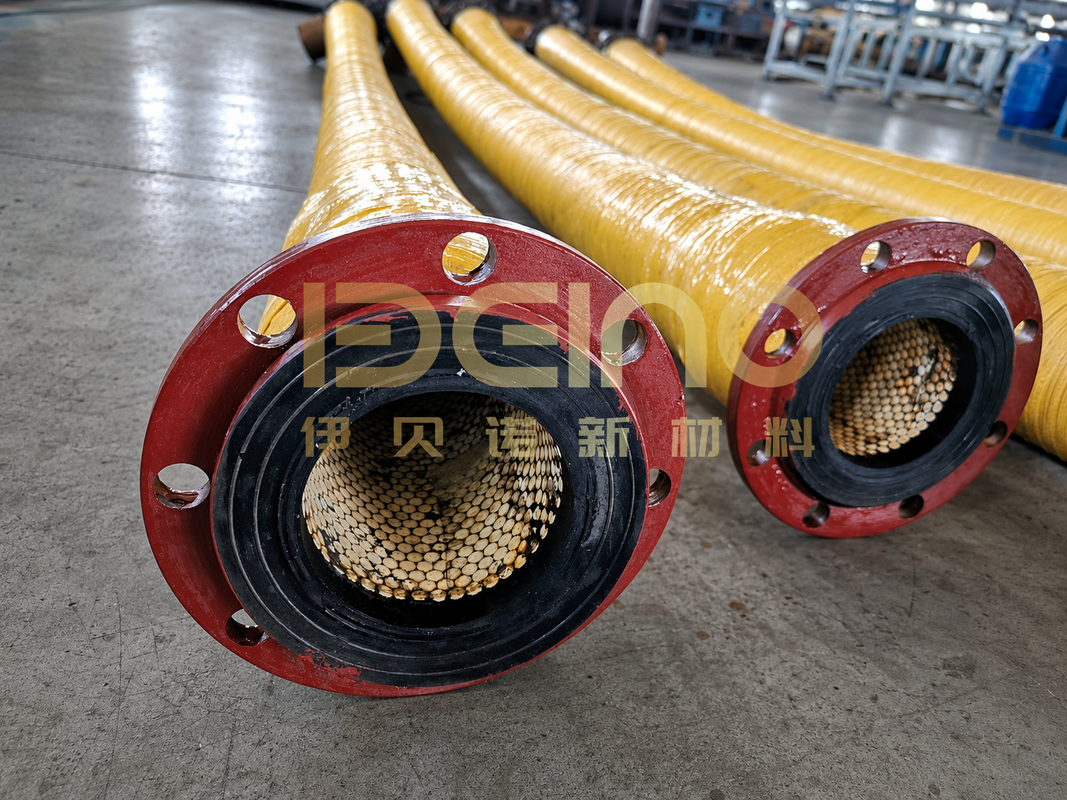
Selang karet berlapis keramik untuk transfer pasir abrasif di pelabuhan
Pengenalan produk
Di pelabuhan, selang jarang diganti karena seluruh lapisan karet telah usang secara merata.atau bagian pendek yang terkena aliran bahan pekatSetelah titik itu habis, jalur transfer berhenti meskipun sebagian besar selang mungkin masih terlihat layak digunakan.
Pipa seramik yang kaku dapat menangani abrasi yang parah, tetapi tidak selalu dapat mengakomodasi getaran, pergeseran keselarasan, atau pergerakan peralatan yang terbatas. selang karet biasa memberikan fleksibilitas,namun meninggalkan karet langsung terkena pasirElacera selang karet berlapis keramik dibuat untuk posisi di mana kedua masalah terjadi pada saat yang sama.
Selang menggunakan segmen keramik tinggi alumina yang terpisah daripada satu tabung keramik yang berkelanjutan.sehingga perakitan dapat lentur dalam radius tikungan yang disetujuiIni biasanya digunakan sebagai sambungan fleksibel yang ditargetkan, bukan sebagai pengganti untuk setiap pipa baja dalam sistem.
Di Mana Selang Ini Mendapatkan Tempatnya
|
Titik pemasangan
|
Mengapa selang keramik dianggap
|
Apa yang harus diperiksa pembeli
|
|
Pembuangan pompa atau peralatan
|
Abrasi dan getaran terjadi pada koneksi yang sama
|
Puncak tekanan, dukungan selang dan keselarasan flange
|
|
Pergeseran pendek antara pipa tetap
|
Sebuah spool kaku sulit untuk menyelaraskan
|
Panjang yang tersedia dan radius tikungan minimum
|
|
Bend transfer pasir atau agregat
|
Aliran terkonsentrasi pada radius luar
|
Ukuran partikel, kecepatan dan tata letak lekukan
|
|
Koneksi yang sering dihapus
|
Pemeliharaan membutuhkan bagian fleksibel yang bisa dilepas
|
Pengeboran flange, berat unit dan ruang angkat
|
Aplikasi yang paling kuat adalah titik fleksibel yang dikenal dengan keausan tinggi.foto dari bor yang usang dan rute yang dipasang sering lebih berguna daripada deskripsi materi umum.
Mengapa DN saja tidak cukup untuk kutipan
Dua selang dengan diameter dalam yang sama dapat membutuhkan konstruksi yang sangat berbeda. selang debit tekanan positif yang membawa pasir basah tidak sama dengan produk selang vakum yang digunakan untuk hisap.Konektor yang didukung pendek juga berbeda dari selang panjang yang harus membawa beratnya sendiri antara dua titik.
Untuk pelayanan pelabuhan, penawaran pertama harus menunjukkan apakah material itu kering atau dicampur dengan air, ukuran partikel terbesar yang diharapkan, tekanan normal dan maksimum, suhu, kurva yang dipasang,standar flange, dan paparan di luar ruangan. Jika penghisapan, layanan terapung, menyeret, atau perisai eksternal diperlukan, ini harus dinyatakan di awal;fitur ini bukan bagian dari selang pembuangan seramik standar.

Data Produk Tipikal
|
Artikel
|
Nilai atau opsi khas |
| Lapisan keramik |
Segmen keramik 95% alumina |
| Ketumpatan keramik khas |
Sekitar 3,75 g/cm3 |
| Kekerasan Rockwell |
≥ 85 HRA |
| Kekuatan kompresi |
≥ 850 MPa |
| Tekanan kerja |
1.0·2.5 MPa, sesuai dengan ID selang dan penguatan |
| Suhu operasi |
Hingga 100°C, tergantung pada senyawa karet yang dipilih |
| Panjang |
Disesuaikan; biasanya 10~20 m jika ukuran dan penanganan memungkinkan |
| Koneksi akhir |
Flanges khusus atau fittings khusus proyek |
| Radius tikungan |
Ditentukan pada gambar yang disetujui untuk setiap ukuran selang |
Tekanan, diameter luar, berat satuan, dan radius tikungan minimum diselesaikan untuk ukuran sebenarnya.
Apa yang Terjadi di Dalam Selang
Pasir yang meluncur di sepanjang lubang karet secara bertahap menghilangkan material. pada tikungan, partikel terus ke arah aslinya dan memukul radius luar lebih berat.atau koneksi yang tidak selaras dapat membuat aliran bahkan kurang seragamLapisan keramik memberikan bahan dengan permukaan yang sulit dipakai, sementara karet di sekitarnya mendukung segmen dan menyerap gerakan normal.
Keramik tidak memperbaiki instalasi yang buruk. selang yang dipaksa di bawah radius tikungan minimumnya dapat meratakan secara lokal, mengganggu aliran, dan membebani struktur.Menarik flanges salah selaras bersama-sama dengan selang dapat menciptakan masalah yang sama sebelum mengangkut bahkan dimulai.
Enam Rincian yang Harus Disetujui Sebelum Produksi
·Diameter dalaman yang jelas melalui bagian yang dilapisi keramik
·Panjang keseluruhan dan kurva yang benar-benar dipasang
·Tekanan normal, tekanan maksimum dan persyaratan tekanan uji
·Diameter luar flange, pola bolt-hole, permukaan penyegelan dan orientasi
·Persyaratan karet untuk paparan di luar ruangan, minyak atau bahan kimia
·Metode dukungan sehingga berat selang tidak dibawa oleh flanges
Untuk pekerjaan penggantian, kirimkan lembar data selang lama bersama dengan foto pemasangan.penyebab sebenarnya mungkin jalur aliran daripada kualitas karet saja.
Pemeriksaan, Pengemasan dan Penyediaan
Hunan Yibeinuo New Material Co., Ltd memproduksi produk keramik Elacera dilapisi keausan untuk gambar pelanggan.Pengeboran flange dan kondisi lapisan yang terlihat diperiksa terhadap dokumen yang disetujuiUji tekanan dapat dimasukkan ke dalam rencana inspeksi jika ditentukan dalam pesanan.
Selang panjang atau berat didukung selama pengemasan untuk mencegah mereka dilipat ke dalam jari-jari yang tidak cocok.dan metode pengiriman.
Pertanyaan yang Sering Diajukan
Bisakah selang ini digunakan untuk menghisap pasir?
Hanya jika dirancang khusus dan diklasifikasikan untuk tugas vakum. selang pembuangan tekanan positif tidak harus diperlakukan sebagai selang hisap.
Dapatkah itu menggantikan pipa baja berlapis keramik?
Hal ini dapat menggantikan bagian fleksibel atau offset yang dipilih. Bagian lurus tetap seringkali lebih baik dilayani oleh pipa seramik berlapis kaku.
Bagaimana radius tikungan minimum ditentukan?
Hal ini tergantung pada diameter selang, tata letak segmen keramik, penguatan, dan panjang.
Bisakah Anda mencocokkan flange yang sudah ada?
Ya, kirimkan gambar lengkap flange atau standar, kelas tekanan, diameter luar, rincian bolt-hole, dan persyaratan sealing-face.
Apa cara tercepat untuk mendapatkan penawaran yang akurat?
Kirimkan bahan, ukuran partikel, tekanan, suhu, ID selang, panjang, kurva yang dipasang, gambar flange, dan foto koneksi saat ini.
Masih mengganti selang yang sama?
Kirimkan Elacera foto selang yang rusak dan gambar koneksi.Kami akan meninjau apakah lokasi membutuhkan selang seramik dilapisi fleksibel, spool busuk kaku, atau struktur yang berbeda.

 Pesan Anda harus antara 20-3.000 karakter!